
Dispelling common myths The truth behind gambling misconceptions
Understanding Gambling Addiction
One of the most pervasive myths surrounding gambling is that it only affects those who are weak-willed or lack self-control. In reality, gambling addiction is a complex psychological issue that can affect anyone, regardless of their background or personality. Studies have shown that genetic, environmental, and psychological factors all play a role in the development of gambling addiction. For this reason, exploring platforms for online pokies new zealand can help players understand responsible gaming options. It’s essential to recognize that many individuals who struggle with gambling are not necessarily lacking in character but may have underlying issues that influence their behavior.
Moreover, the impact of gambling addiction goes beyond the individual. Families often suffer as financial problems mount, creating a cycle of stress and dysfunction. Communication breakdowns, emotional distress, and even mental health issues can arise when a loved one is struggling with gambling. Understanding this dimension allows for a more compassionate view of those affected, emphasizing the need for support and resources rather than judgment.
It’s crucial to educate ourselves about the signs of gambling addiction. These signs can include a preoccupation with gambling, increasing amounts of money wagered, and unsuccessful attempts to control or reduce gambling behavior. The more we understand about gambling addiction, the better equipped we are to support those who may be in need of help and to promote responsible gambling practices.
The Role of Luck in Gambling
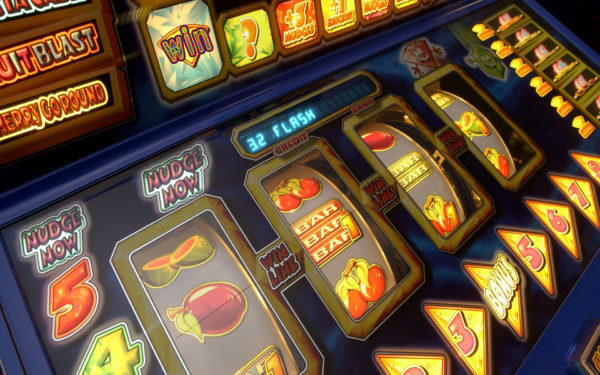
Another common misconception is that gambling success is primarily based on luck. While luck undoubtedly plays a role, especially in games of chance like slot machines, a deeper understanding reveals that many games also require a degree of skill and strategy. In poker, for instance, players must evaluate probabilities, read opponents, and make informed decisions to maximize their chances of winning. This blend of luck and skill is often what makes gambling engaging and attracts a diverse audience.
Moreover, the notion that winning is purely a matter of luck can lead individuals to gamble irresponsibly. If players believe that they are simply at the mercy of chance, they may be less inclined to set limits on their spending or to seek help when they experience losses. Educating gamblers about the balance of skill and luck can foster more responsible gaming practices and encourage individuals to approach gambling with a mindset geared towards enjoyment rather than desperation for wins.
Finally, the casino and gaming industry capitalizes on the misconception of luck by promoting stories of big wins while downplaying the odds of losing. This marketing strategy can create a false sense of expectation among players, leading them to believe they too can achieve similar results. By debunking the myth that luck is the sole factor in gambling success, players can make informed decisions and understand the real odds at play.
Gambling as Entertainment
Many people believe that gambling should only be viewed as a serious financial endeavor. However, viewing it solely through a financial lens neglects the entertainment aspect that many players appreciate. For countless individuals, gambling offers a form of escapism and social interaction. Games are designed to be engaging and enjoyable, providing a break from everyday life. When approached responsibly, gambling can be a fun and exciting activity.
Furthermore, understanding gambling as a form of entertainment allows players to set realistic expectations. This means acknowledging that losses are part of the experience and should be budgeted for in the same way as any other form of leisure spending. By doing so, players can enjoy gambling without falling into the trap of expecting constant wins or feeling devastated by losses, leading to a healthier relationship with gaming.
Additionally, many casinos and gaming establishments create environments that emphasize fun and enjoyment, often hosting events and promotions to enhance the overall experience. Recognizing this can help shift the perception of gambling from a solely profit-driven activity to one that offers enjoyment and community engagement, fostering a more balanced view of the practice.
The Impact of Online Gambling
With the rise of online gambling, numerous myths have emerged surrounding its safety and accessibility. One prevalent misconception is that online gambling is inherently more dangerous than traditional gambling due to its anonymity. While the digital landscape does present unique challenges, such as increased accessibility leading to potential overindulgence, many reputable online platforms implement robust security measures and responsible gambling resources to protect players. Understanding these precautions can empower users to navigate online gambling safely.
Moreover, the convenience of online gambling can foster healthier habits. Many sites offer tools that allow players to set limits on their spending and time, enabling individuals to gamble responsibly. These resources can be more challenging to find in physical casinos, where the thrill of the environment can encourage impulsive behavior. By embracing the positive aspects of online gambling, players can engage in gaming that is both enjoyable and mindful of their well-being.
Finally, the perception of online gambling as a solitary activity is a myth worth dispelling. Many online platforms offer community features, such as chat rooms and multiplayer games, which encourage interaction and foster a sense of belonging among players. This social dimension adds another layer of enjoyment to online gambling, enhancing the experience and allowing individuals to share strategies and stories in a supportive environment.

Resources for Responsible Gambling
In an age where gambling is prevalent in various forms, promoting awareness about responsible gambling is essential. Resources are available to help individuals understand their limits and make informed choices. Many organizations provide educational materials, support groups, and counseling services for those affected by gambling-related issues. Emphasizing these resources helps create a community that prioritizes safety and well-being.
Moreover, responsible gambling initiatives encourage transparency within the industry. Reputable casinos, whether online or in-person, are increasingly adopting measures to promote responsible gambling. This includes offering self-exclusion options, providing information about the odds of games, and training staff to recognize signs of gambling addiction. By supporting these initiatives, players contribute to a safer gambling environment for all.
At the core of promoting responsible gambling is the message that gambling should always be approached with caution and mindfulness. By educating ourselves and others about the available resources and the importance of setting limits, we can contribute to a healthier gaming culture that prioritizes enjoyment and responsible play. Such an approach not only benefits individuals but also fosters a sense of community that values support and understanding.