

The Global Landscape of Casinos
Casinos have long fascinated people across the globe, serving not just as venues for gambling but as cultural landmarks that reflect the history, economy, and social dynamics of their respective regions. From the iconic casinos worldwide international casino sites that dot the landscapes of Las Vegas and Monaco to the more understated gambling houses in Asia and Europe, casinos encapsulate a unique blend of excitement and tradition.
The Heart of Gambling: Las Vegas
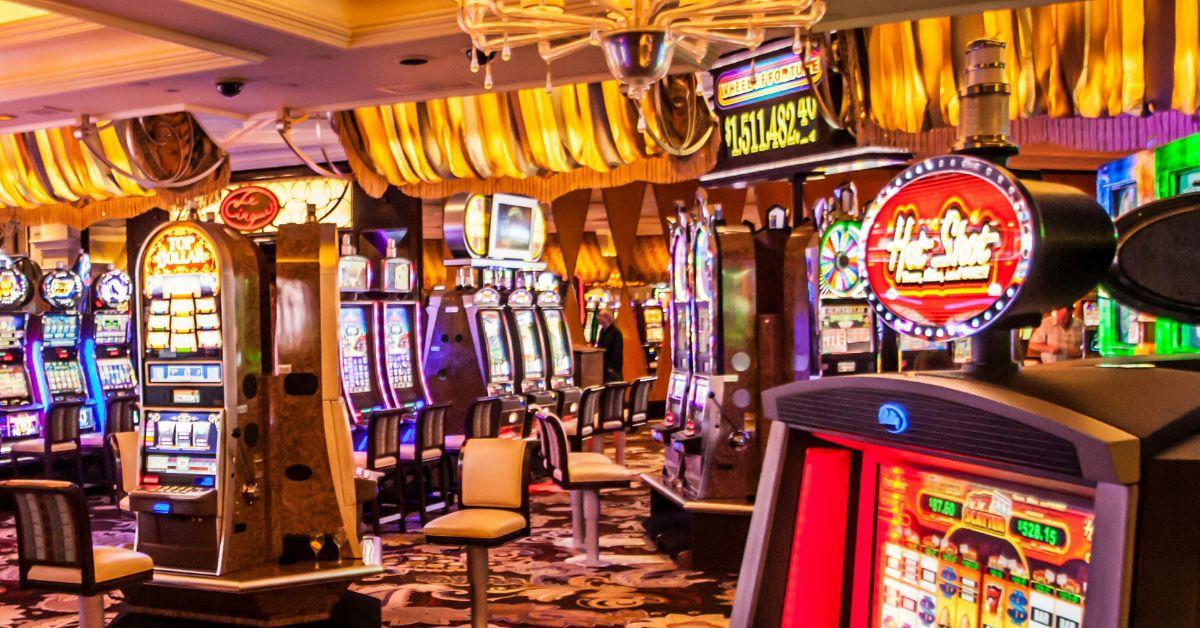
Las Vegas, often dubbed the «Gambling Capital of the World,» is synonymous with casinos. Stretching along the famous Strip, visitors are greeted by a stunning array of resorts and gaming options. Whether it’s the glamour of the Bellagio, famous for its dancing fountains, or the opulent Venetian, modeled after the Italian city, Las Vegas offers a diverse experience that caters to all types of gamblers.
The city’s casinos are not just about gaming; they encompass fine dining, extravagant shows, and luxurious accommodations. Las Vegas has indeed turned gambling into a form of entertainment that attracts millions of tourists annually. The casinos also invest heavily in security measures and technology to ensure fair play and safety, further instilling confidence among patrons.
The European Casino Experience
Traveling across the Atlantic to Europe, the allure of casinos shifts in style and experience. Whereas Las Vegas casinos focus on opulence and scale, European casinos often reflect the historical and architectural brilliance of their surroundings. One of the most renowned is the Casino de Monte-Carlo in Monaco, a stunning example of Belle Époque architecture.
European casinos often attract a more sophisticated clientele, offering games such as baccarat and roulette favored by high-stakes players. Many of these establishments also have strict dress codes, adding to the overall ambiance and exclusivity. The charm of an old-world casino experience is embodied in places like the Casino Baden-Baden in Germany, where patrons can enjoy the elegance of the 19th century.
Asia’s Casino Boom
In recent years, Asia has emerged as a powerhouse in the global casino industry. Macau, often referred to as the «Gambling Capital of the World,» surpassed Las Vegas in revenue and has become a hotspot for luxury experiences. The city is home to massive casino resorts like The Venetian Macao and City of Dreams, attracting millions of visitors who come to experience the vibrant nightlife and world-class entertainment.
Meanwhile, Singapore has also entered the fold with its integrated resorts, Marina Bay Sands and Resorts World Sentosa, which combine gambling with other attractions like shopping, dining, and cultural landmarks. These developments illustrate how the casino landscape in Asia is evolving into a multifaceted entertainment destination.
Innovations in Online Gambling
The rise of technology has also transformed the casino scene globally, giving birth to online gambling platforms that allow players to experience the thrill of casinos from the comfort of their homes. Online casinos have seen exponential growth, particularly following the COVID-19 pandemic, as many traditional venues were forced to close or limit operations.
With advancements in Virtual Reality (VR) and Augmented Reality (AR), the next generation of online gambling promises a more immersive experience. Players can enjoy live dealer games, interact with other players, and even explore virtual casinos as if they were on-site. This technological evolution stands to make gambling more accessible and inclusive, reaching audiences who may have previously been deterred by the travel costs and logistical hurdles associated with visiting physical casinos.
The Cultural Significance of Casinos
Casinos are not merely places to gamble; they often serve as cultural epicenters that bring communities together. They can reflect local customs, traditions, and even politics, shaping a unique gambling culture that varies from one country to another. For instance, in many Asian countries, gambling is deeply embedded in cultural celebrations and festivals, reinforcing social bonds and communal festivities.
Moreover, the financial implications of casino establishments cannot be overlooked. They create thousands of jobs, contribute to local economies, and generate tax revenue that supports public services. However, the social challenges associated with gambling, such as addiction, must also be addressed by policymakers to create a balanced relationship between the economic benefits and social responsibilities.
Future Trends in the Casino Industry
Looking ahead, several trends are likely to shape the future of the casino industry worldwide. As the demographic of casino-goers shifts, younger generations are showing a preference for experiences that combine excitement and social interaction. This has led many casinos to diversify their offerings, incorporating more non-gaming attractions, including entertainment venues, restaurants, and high-energy nightlife options.
Additionally, sustainability is becoming a crucial aspect of casino operations. In response to climate change and increasing consumer awareness, many casinos are seeking to implement eco-friendly practices, from energy-efficient buildings to waste reduction initiatives. The integration of sustainability into business practices is likely to resonate with environmentally conscious consumers and enhance the reputation of casinos worldwide.
Conclusion
From the vibrant lights of Las Vegas to the serene elegance of European casinos and the burgeoning Asian market, the world of casinos is as diverse as it is exciting. Each venue provides a unique glimpse into the cultural fabric of its surroundings, offering more than just gaming but an experience that captivates millions. As technology continues to change how we interact with gambling, and as the societal implications of our actions are thoughtfully considered, the global casino landscape will undoubtedly continue to evolve, remaining a cornerstone of entertainment and cultural exchange worldwide.